
If you have a pet, you already know one thing is true: they are very talented at getting into things they absolutely shouldn’t.
One minute your dog is peacefully existing. The next? They’ve eaten half a cookout plate at Lake Carolina, sprinted through the woods after a squirrel, or somehow cut their paw doing absolutely nothing suspicious at all.
At WAG Vet, we believe every pet parent in Columbia should know a few basic pet first aid tips before an emergency happens. While first aid is never a replacement for veterinary care, knowing what to do in those first few moments can help keep your pet safe and calm until you can get professional help.
Here are a few simple pet first aid basics every pet owner should know.
First Things First: Stay Calm
We know. Easier said than done.
But pets pick up on your energy quickly. If you panic, they’re more likely to panic too — and scared pets are more likely to bite, scratch, or run away, even if they normally wouldn’t.
Take a deep breath, secure your pet safely, and assess the situation before reacting.
And remember:
If you’re unsure whether something is an emergency, call your veterinarian. That’s literally what we’re here for.
Build a Pet First Aid Kit Before You Need One
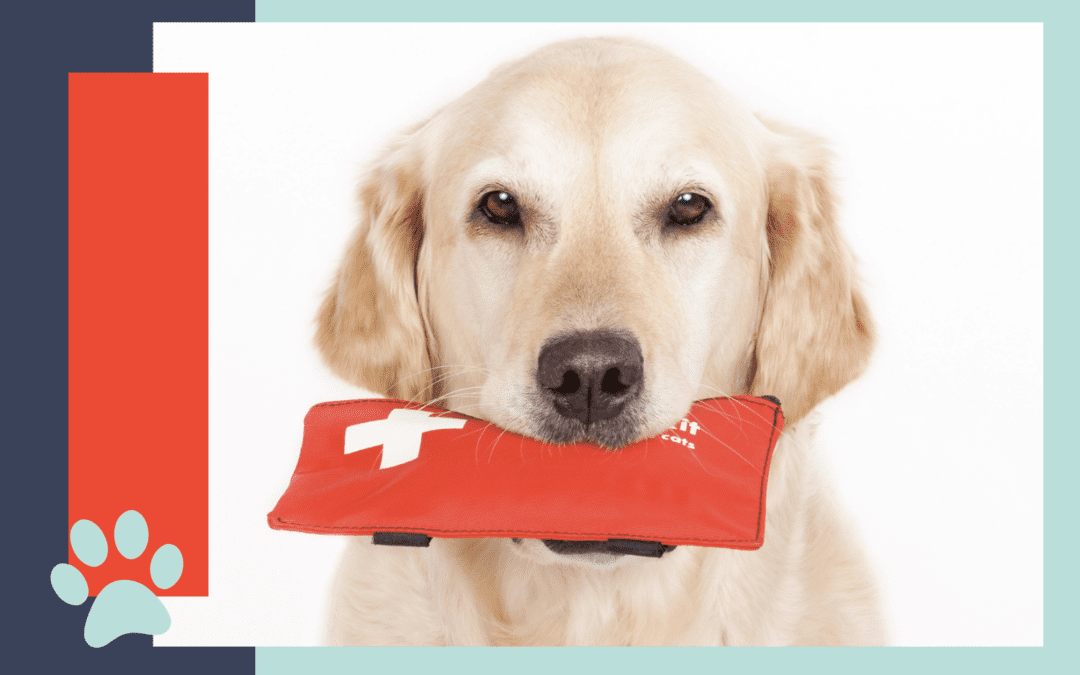
Every Columbia pet owner should keep a small pet first aid kit at home and in the car.
A few basics include:
- Gauze and nonstick bandages
- Tweezers
- Blunt-end scissors
- Disposable gloves
- Digital thermometer
- Clean towels
- Saline solution
- A leash or backup collar
- Emergency phone numbers
Bonus points if you keep one near the lake house, boat bag, or travel carrier too.
Know the Signs of a Real Emergency
Some situations need immediate veterinary attention.
Call your vet right away if your pet experiences:
- Difficulty breathing
- Seizures
- Collapse
- Severe bleeding
- Heatstroke symptoms
- Suspected poisoning
- Hit-by-car injuries
- Trouble urinating
- Persistent vomiting
Basically, if your pet looks seriously distressed, painful, or “not right,” trust your gut.
Cuts, Scrapes & Paw Injuries
Between hot sidewalks, hiking trails, backyard zoomies, and stepping on mystery objects around Columbia, paw injuries happen more often than most pet owners expect. If your pet gets a small cut or scrape, gently clean the area with warm water or saline and apply light pressure if there’s bleeding. Try to keep your pet from licking the area while it heals, because apparently pets believe every wound deserves aggressive “self-care.” Monitor the injury closely for swelling, redness, limping, or signs of discomfort. And if the wound is deep, continues bleeding, or your pet refuses to put weight on the paw, it’s time to give your veterinarian a call.
Heatstroke Is a BIG Deal in South Carolina
Let’s be honest — Columbia heat and humidity can feel personal in the summer. Unfortunately, our pets feel it too. Heat exhaustion and heatstroke can happen quickly, especially for flat-faced breeds, senior pets, overweight pets, and dogs with thick coats. Signs of overheating include excessive panting, bright red gums, weakness, vomiting, or collapse. If your pet seems overheated, move them into air conditioning immediately, offer cool water, and place cool towels on their paws and belly while contacting your veterinarian. And yes, we’re going to say it again for the people in the back: never leave pets in parked cars. Not even for “just a minute.”
Human Medications Can Be Dangerous
One of the most common pet emergencies we see involves pets getting into human medications. Many over-the-counter medicines that are safe for people can be extremely toxic to dogs and cats, including ibuprofen, acetaminophen, sleep aids, ADHD medications, and even certain vitamins or gummies. Pets are surprisingly talented at finding dropped pills, unattended purses, or “child-proof” bottles. If your pet accidentally ingests medication, contact your veterinarian or Pet Poison Helpline right away. And before giving your pet any medication at home, always check with your vet first — Google is not a veterinarian, and your dog definitely should not be self-prescribing.
Keep Your Pet’s Information Updated
One of the easiest ways to protect your pet during an emergency has nothing to do with bandages or first aid kits. Make sure your pet’s ID tags, microchip information, and emergency contact details are always current. Scared or injured pets can run unexpectedly, especially during storms, fireworks, or stressful situations. Having updated information dramatically increases the chances of a safe return home if your pet ever gets lost. Think of it as basic pet parenting maintenance — right alongside buying treats they absolutely do not need but fully deserve.
Trust Your Gut
You know your pet better than anyone. If something feels “off,” even if you can’t fully explain why, it’s always okay to call us.
Sometimes the earliest signs of illness are subtle — low energy, hiding, changes in appetite, acting unusually clingy, or simply “not acting like themselves.” Pet parents are often the first to notice these small changes, and those instincts matter.
At WAG Vet, we would much rather answer a question early than have you wait and worry at home.
Trust your gut. You know your furry little weirdo best.
WAG Vet Is Here for Columbia Pets
We love helping pets live long, healthy, wonderfully chaotic lives. Whether your dog ate something weird at a Memorial Day cookout or your cat decided gravity is optional again, we’re here to help.
If you have questions about pet first aid, summer safety, or your pet’s health, our team would love to see you.
Stay safe out there, Columbia. And maybe keep the snacks a little higher off the counter this weekend.